

 Secondary Education
At the crossroads: skills, gender, and the future of secondary education
What will it take to move secondary education from the neglected middle-child to a global priority?
Urgency: Why we cannot look away
1.8 billion. That is the number of young people aged 10-24 today—the largest generation in history. By 2050, there will be half a billion adolescents in Africa alone. And yet, secondary education receives just 4% of global philanthropic education funding. 34 million adolescent girls in sub-Saharan Africa are out of secondary school right now. And of those who do make it, only 27% complete upper secondary. Worse, there has been no progress in closing this gap over the last 20 years. The sector has poured energy and capital into early years and foundational learning, with good reason. But in doing so, we have left behind adolescents, and particularly girls, stranded at a crossroads between primary education and the world of work. A world that is not going to wait for them to catch up.
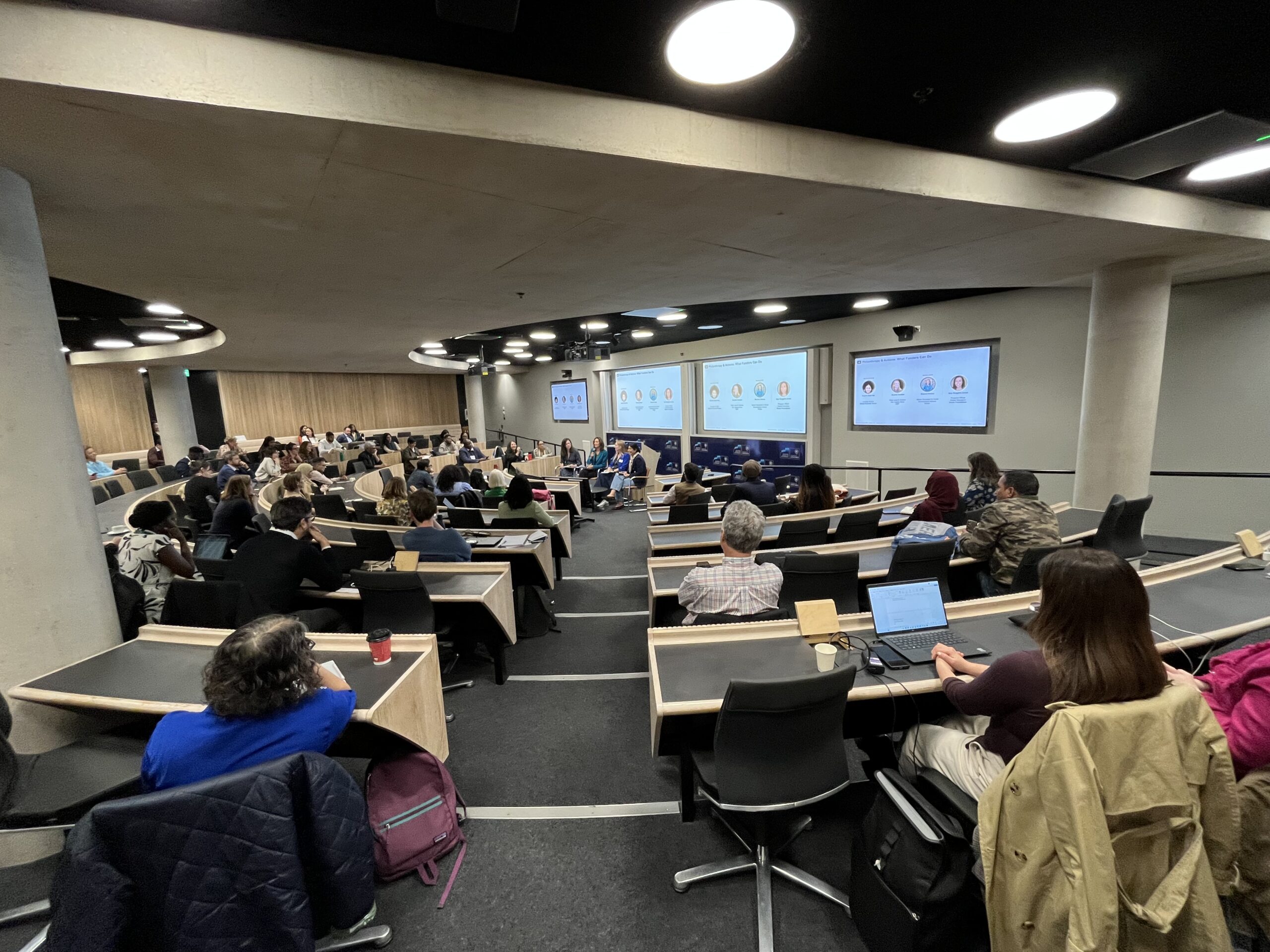
This is the crossroad we gathered to address on the sidelines of the Skoll World Forum 2026.
The convening: A gathering of practitioners and funders
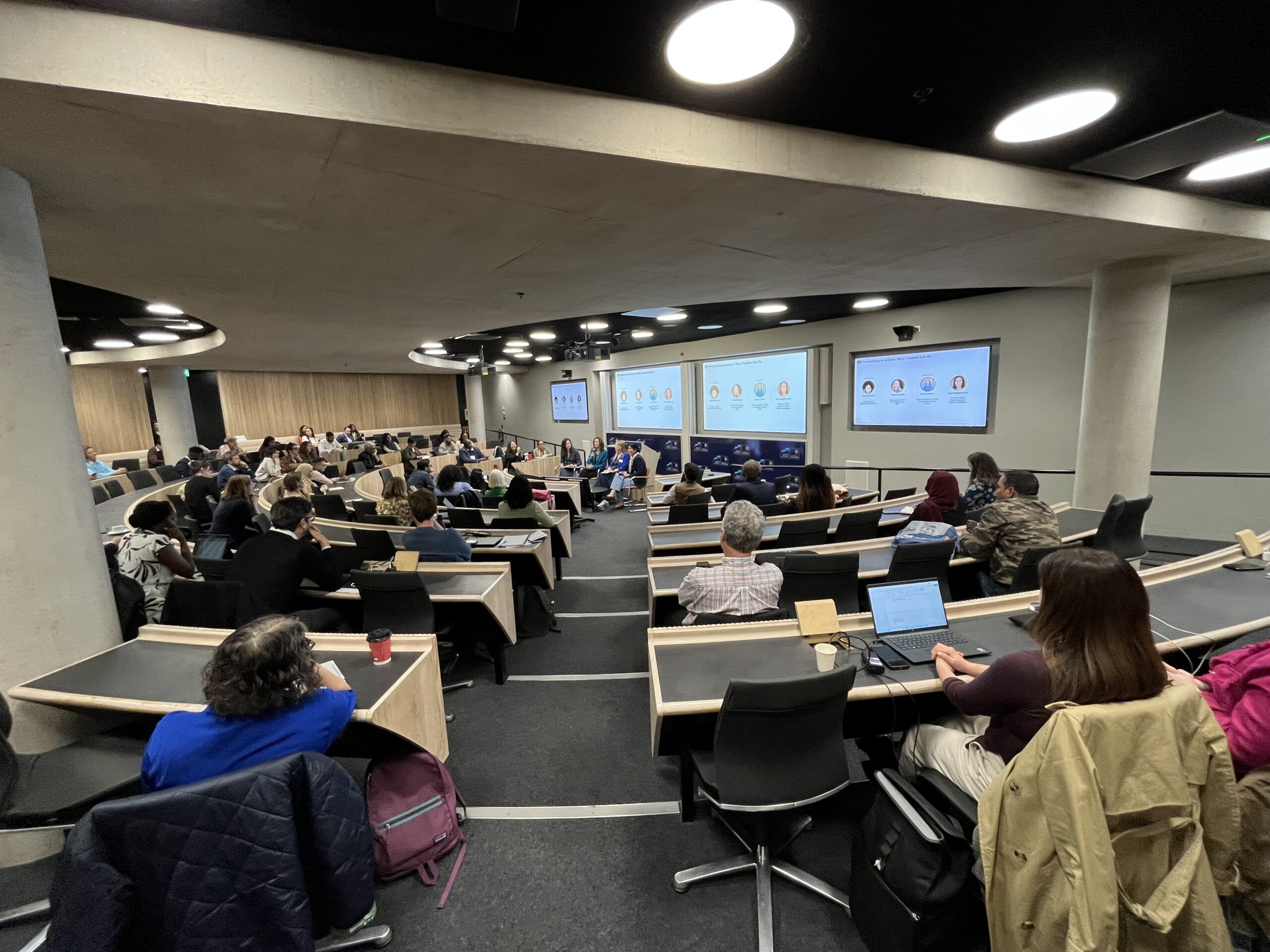
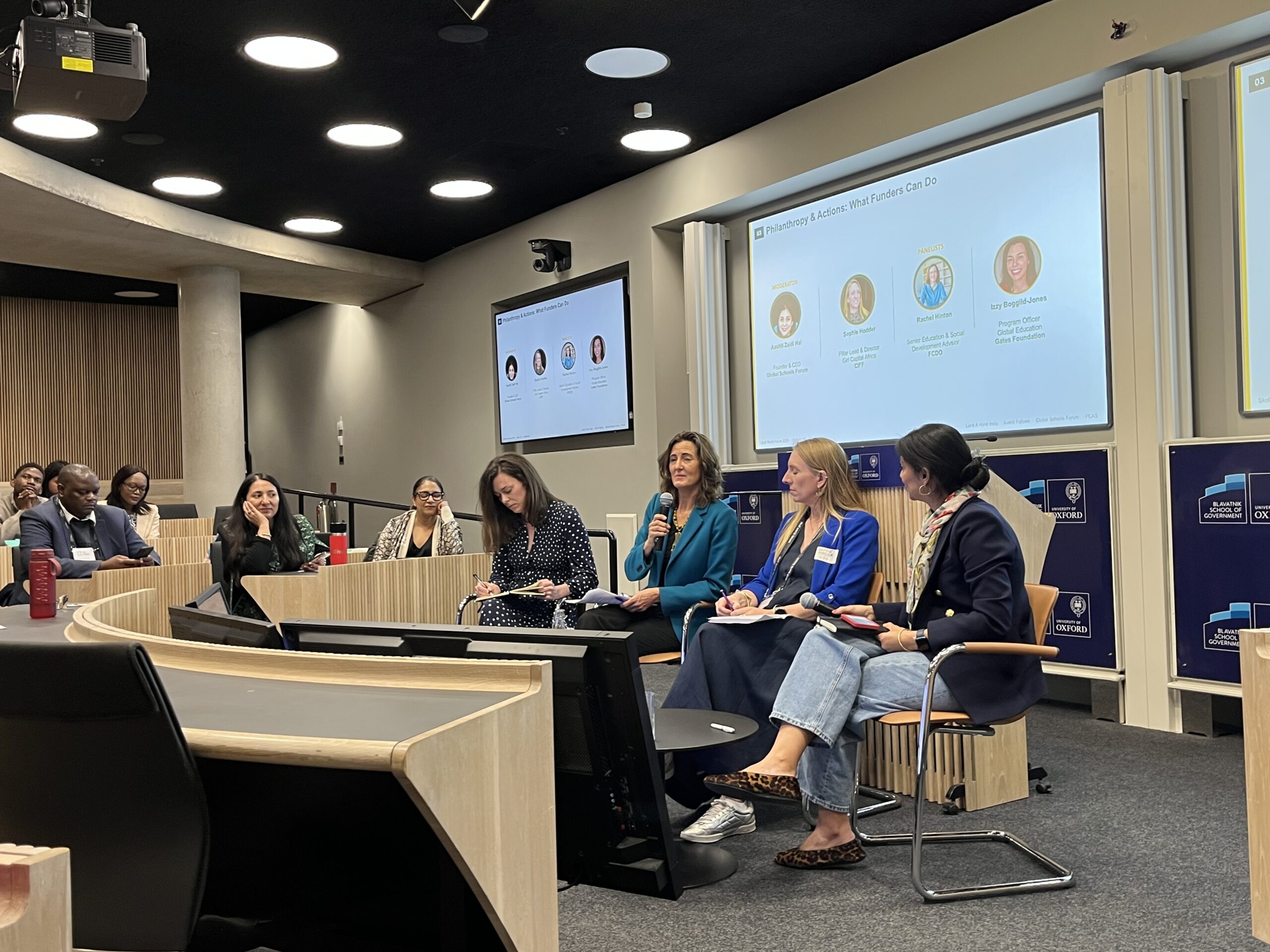
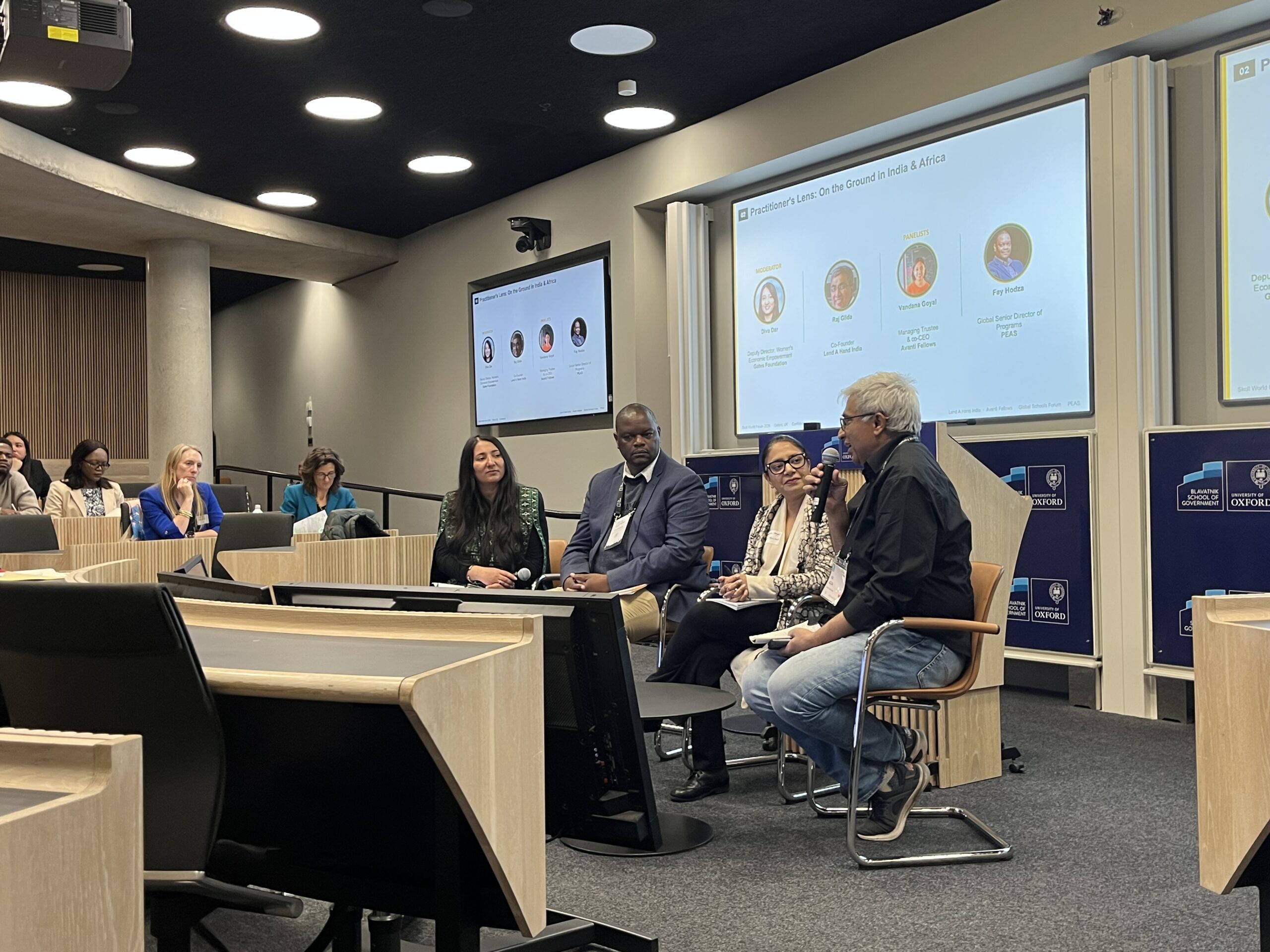
On 23 April 2026, at the Blavatnik School of Government in Oxford, Avanti Fellows, CIFF, FCDO, Gates Foundation, Global Schools Forum, Lend a Hand India and PEAS came together to host a session titled “Secondary Education at a Crossroads: Skills, Gender, and the Future of Work.”
We heard from practitioners who are on the ground every day:
- Raj Gilda (Lend A Hand India), a member of the Text Book Development Committee for vocational education (Grade 6-10) for India’s National Education Policy 2020, which made vocational education compulsory and internships a reality for millions of students.
- Vandana Goyal (Avanti Fellows), who is working to double the number of girls from government schools entering India’s most prestigious colleges – and confronting the deep-seated norms that stop girls from even trying.
- Fay Hodza (PEAS), who is leading efforts across Uganda, Zambia, and Ghana to ensure all secondary schools are safe, inclusive and building the skills and knowledge students need after school.
We also heard from funders who are rethinking their strategies:
- Sophie Hodder (CIFF), challenged the room to engage boys as part of the solution – not from ideology, but from empathy.
- Rachel Hinton (FCDO), called on philanthropies to think at scale, coordinate better, and invest in mission research.
- Izzy Boggild-Jones (Gates Foundation), underscored that FLN skills are not an end in themselves but a bridge to unlocking the very skills needed for secondary success, health, and later earnings.
Key highlights from the dialogue
From practitioners: What works and what gets in the way
1. The sticky pipeline problem
Diva Dhar (Gates Foundation) framed the central question: Do we just want to fix the leaky pipeline? Or do we want to make sure the pipeline goes somewhere useful? In India, 88% of adolescents are enrolled in school, but less than half can solve a division problem. Digital skills are dangerously low. And even among girls who complete secondary education, only 20% qualify for STEM higher education – and fewer still join the labour force.
2. India’s big Bet on vocational education
Raj Gilda (Lend a Hand India) shared how a evidence from pilot about internship for high school students contributed to a recommendation in the National Education Policy 2020 making internships as part of the vocational education curriculum for high school students across India. “Many times it is about being at the right place at the right time,” he said. Making a policy is easy but of course, implementation is always challenging. Socio-Political-economic factors, frequent officer transfers, and historical resistance to “vocational” education (call it “applied learning” instead) mean there is no single formula.
3. The girls’ drop-off funnel
Vandana Goyal (Avanti Fellows) walked us through some alarming numbers. Out of 2.5 million students who take the entrance exam for India’s top residential schools, only 45,000 get seats. By design, 40% are girls. By Grade 10, the number of girls capable of qualifying for Avanti’s college prep programmes is sub-1,000. Girls are not encouraged to take the test in the first place. Those who are eligible often say they do not want to be engineers, because they have been told it is more “feminine” to be a doctor. Choosing biology over mathematics in Grades 11-12 has an outsized impact on future career options.
Vandana also shared a powerful reflection on working with young men: “The burden they feel is real. They are the hope of the family. The financial expectation on them is huge. And I ask them: What is the fastest way to double your income when you graduate? What if you had a partner who earns just as much as you do?” Engaging boys from a place of empathy, not aggression, is critical.
4. The African context: Curriculum-labour market mismatch
Fay Hodza named three core challenges: the curriculum does not translate into the labour market; teachers are trained to prepare children for exams, not for competency; and school-to-work pathways are weak, especially in remote areas.
And offered scalable solutions:
- Life skills threaded across every lesson, in engaging and inclusive classrooms.
- Structured in-school teacher coaching by committed instructional leaders.
- Low-touch career exposure—bringing local professionals and graduates back into schools as role models. “When children see someone from their community who is now doing something inspirational, that is the biggest thing.”
From funders: What must change
1. The 4% problem
Secondary education receives just 4% of philanthropic education funding. Sophie Hodder (CIFF) noted that girls are often framed as victims, but the narrative must shift to girls as economic engines. Governments respond to economic arguments.
2. Think at scale, not small pilots
Rachel Hinton (FCDO) shared: “We need to make sure we are not doing small pilots. We need to think at scale. Take what works and implement it through government systems. Understand the implementation problems at scale.”
She also called for coordination and collaboration: “We are often duplicating things. We are putting more pressure on systems through our projectised way of working. Foundations are great at creating safe convening spaces – use that power.”
3. Who gets left behind
Izzy Boggild-Jones (Gates Foundation) reminded the room that even in the most effective programmes, 10-20% of students are not making progress – due to disability, poverty, or other factors. “We need a systematic way of supporting governments and partners to think about who is not making progress.”
Incredible questions from the room
The audience – packed with practitioners, researchers, and youth leaders, pushed the conversation further. One participant raised the spectre of AI displacing entry-level jobs, to which a practitioner responded: “You cannot download a roti. You have to make one. Vocational education teaches adaptability and learning-to-learn. That is what will matter most.” Another asked how to enable genuine intra-African collaboration, noting that the continent is very good at conversation but less adept at working together across borders to ensure its 42% youth population benefits from solutions that already exist. A third question landed with particular weight: small organisations are innovating on the ground, but when large funders work directly with governments, it creates a barrier – governments then expect grassroots organisations to pay them for the privilege of partnering. How do we engage small organisations without crowding them out?
And then came the broader question: our world is inherently patriarchal. We have glimmers of hope, but unless we get women into politics, into leadership, into boardrooms – how do we actually break that? How do we get women into real power? Vandana answered from experience: “That work starts in classrooms. With boys. With questions about who eats first in your house, who can go outside to play, who carries the financial burden. We talk about these things in practical terms – not ideological terms.” That is where transformation begins.
Building on a foundation of collective dialogue
This gathering is a vital part of our ongoing discourse on reimagining secondary education. It builds directly on the insights from our Study Tour in Uganda, the rich learnings from our multi-year Community of Practice (practice brief and podcast series), and the momentum from our previous convenings – from the inaugural State of Secondary Education Convening in London to last year’s gathering on the fringes of the Skoll World Forum in Oxford. We are deeply grateful to every partner and participant who has contributed to these dialogues, helping us strengthen our collective clarity and purpose. Each of these moments has brought us closer to a shared North Star. But we are not there yet.
The conversation must continue. Collective action must surface.
The energy in the room at Blavatnik was unmistakable. But energy without action lacks momentum. As Rachel Hinton reminded us: “Foundations are great at creating safe spaces. But we need to move from small pilots to scale. We need to coordinate. We need to hold ourselves accountable.” Secondary education is a bridge between learning and livelihoods, between aspiration and agency, between childhood and a dignified adulthood. We know what works. We have the evidence. We have the practitioners. We have funders willing to rethink their strategies.
What we need now is collective, sustained, coordinated action. If you were in the room – thank you. If you were not – join us. The conversation is ongoing.
Share this article